Jon’s gun-safety routine
Out Stealing HorsesJon’s gun-safety routine is a strict practice of unloading and securing his gun whenever he returned home. Its fatal interruption exposes how a small lapse in an ordinary procedure can place responsibility and irreversible harm in the same moment.
The Routine and the Gun
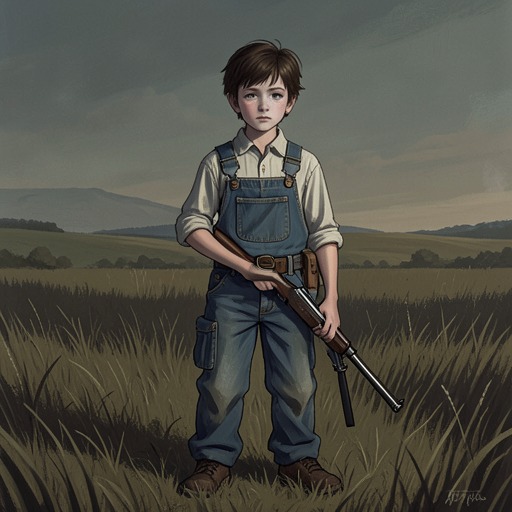
Jon had cared for the gun since his father gave it to him for his twelfth birthday. It was the only thing of value he owned, and he polished and maintained it as if it were his baby. His father had given strict instructions about what the weapon should and should not be used for, making its care part of a responsibility Jon had carried for years.
At home, Jon’s established procedure was to put the gun at half-cock, remove its cartridges, and hang it on a hook high on the closet wall. The sequence mattered because it left the weapon both unloaded and out of easy reach. The account presents it as a practiced routine, not an improvised response to danger.
The Interruption
On the day of the shooting, Jon did not complete that procedure. Concerned that he was responsible for the twins, who were alone at home, he put the gun down in the hall instead. He had forgotten to remove the last cartridge. The lapse was especially consequential because the boys were only ten and knew the gun belonged to their admired older brother.
The twins came upstairs from the basement, where they had been playing with cast-off clothes and worn-out shoes. They found the hares Jon had hung on a peg and the gun leaning against the wall. Lars picked it up, swung it around, and pulled the trigger while imitating Jon. The recoil knocked him to the floor, but the shot struck Odd in the heart at close range. The cartridge Jon ordinarily removed had made a fatal act possible.
Consequence and Significance
The shooting gives the routine its grave significance: Jon’s familiar safeguards were not ornamental care but practical barriers between a loaded weapon and children. His father’s instructions and years of handling had established a clear pattern, yet the moment he set the gun aside without making it safe, that pattern failed. The gun’s value to Jon and his careful maintenance of it could not substitute for completing the procedure.
The account resists explaining the shot as destiny. The narrator imagines how a western might portray Odd’s name as written on the cartridge or in the stars, but insists that this is not what happened. In that contrast, the safety routine stands for the fragile, human measures that can prevent catastrophe—and for the weight of what follows when they are omitted.